October 14, 2026
Spray foam insulation has become an increasingly popular option for homeowners who want to improve energy efficiency, indoor comfort, and the performance of their homes. Unlike traditional materials that are cut or placed into cavities, foam expands after application to reach small gaps, cracks, and irregular spaces. This expansion creates a continuous barrier that can reduce unwanted airflow and limit heat transfer through attics and walls. Professional installation is particularly important because proper preparation, application thickness, ventilation, and curing all influence the final results. Understanding how the material works can help homeowners determine whether it is appropriate for their property and long-term energy goals.
Understanding How Spray Foam Works
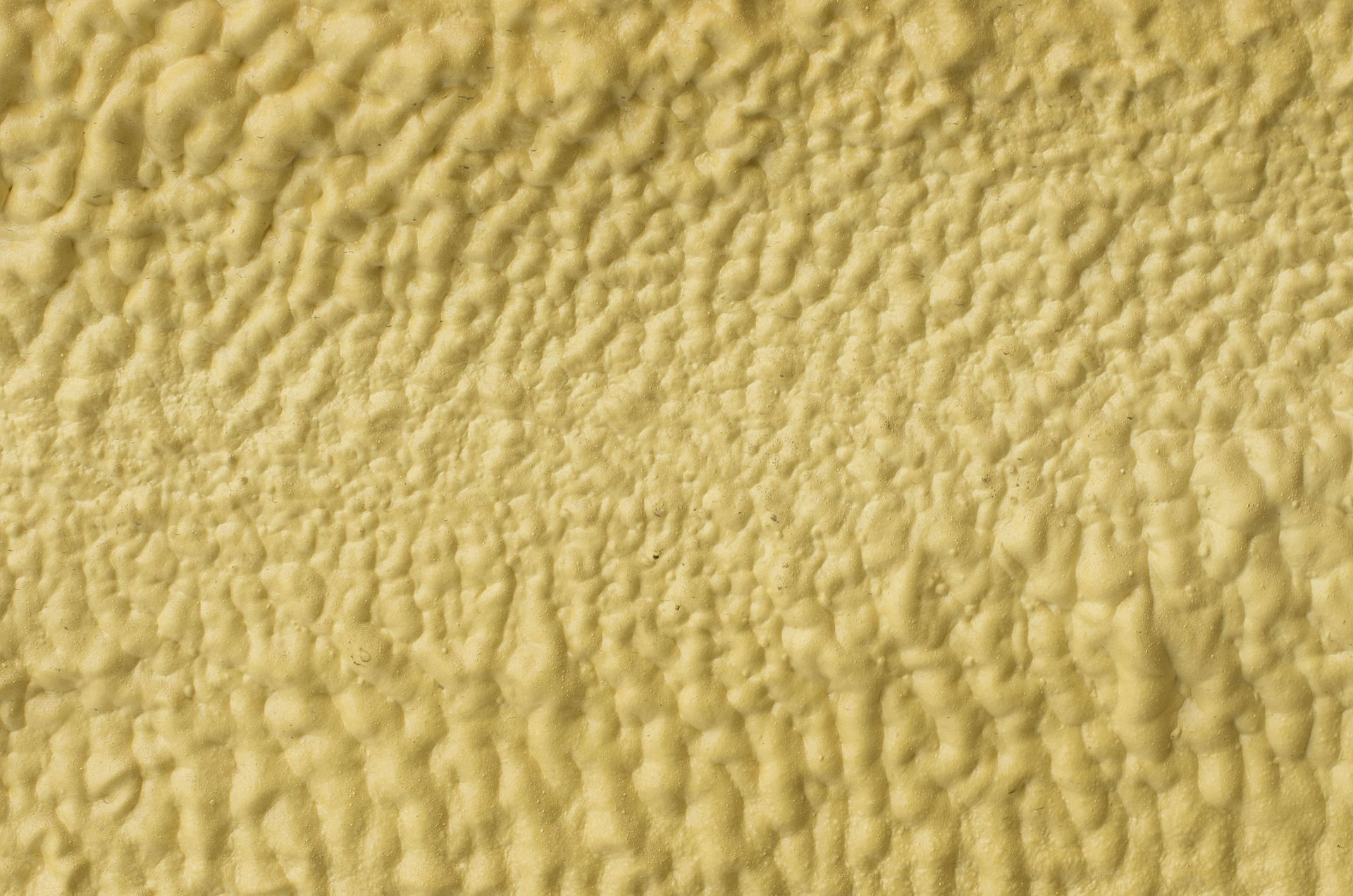
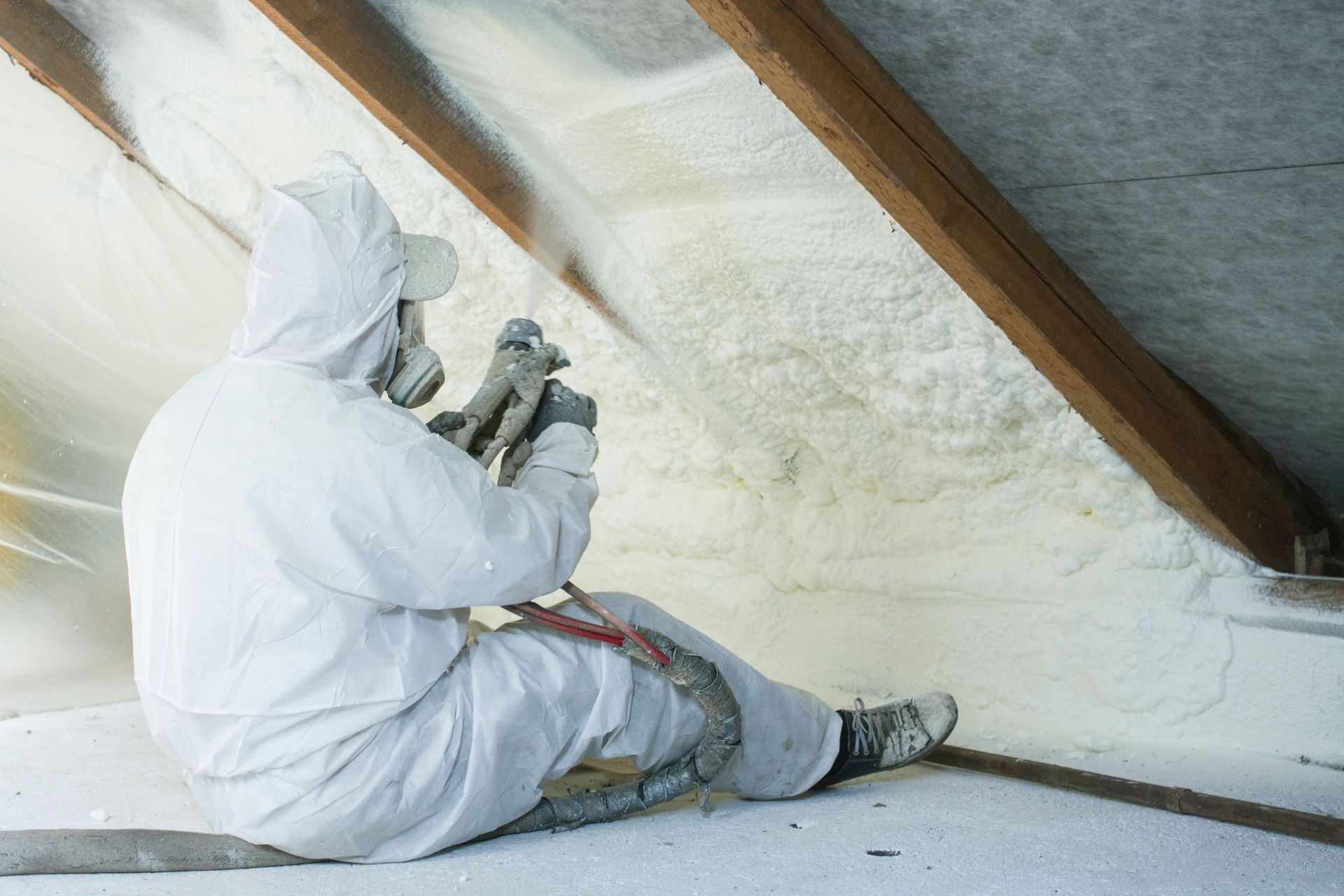
Spray foam insulation is a polyurethane-based material created when two liquid components react during application. Professionals use specialized equipment to combine and spray these components onto designated surfaces. Once applied, the material expands, fills available spaces, and hardens into an insulating layer. Its ability to conform to unusual shapes makes it useful around framing, penetrations, joints, and other areas where conventional materials may leave small openings.
There are two primary varieties: open-cell and closed-cell foam. Open-cell products are generally softer, lighter, and more flexible, making them useful where sound absorption and air sealing are priorities. Closed-cell products are denser and generally provide greater thermal resistance per inch while offering increased resistance to moisture. According to Consumer Reports, spray foam insulation can provide an R-value ranging from approximately R-3.2 to R-7.5 per inch, depending on the product, with closed-cell varieties typically reaching the higher end of that range.
Creating a More Effective Air Barrier
Air leakage can occur through numerous openings throughout a house, including gaps around framing, utility penetrations, attic access points, and connections between building materials. Even relatively small openings can collectively allow conditioned indoor air to escape while outdoor air enters. This exchange may force heating and cooling equipment to operate more frequently to maintain comfortable temperatures.
Because foam expands during installation, it can reach spaces that may be difficult to address with rigid boards or traditional batts. A properly installed layer creates a more continuous air barrier and reduces drafts. Limiting uncontrolled airflow can also help rooms maintain more consistent temperatures instead of developing noticeable hot or cold areas. The effectiveness of the finished barrier depends on correct installation, which is one reason professional assessment and application are valuable.
Improving Attic Energy Performance
Attics are important areas to address because heat naturally moves between conditioned living spaces and the roof assembly. Insufficient insulation and air leaks can contribute to substantial heat loss during colder weather and unwanted heat gain during warmer months. Spray foam insulation can be applied in appropriate attic assemblies to reduce these exchanges and establish a stronger thermal boundary between indoor and outdoor environments.
Improved attic performance may reduce the workload placed on heating and cooling systems. When conditioned air remains inside more effectively, HVAC equipment does not need to compensate as frequently for temperature changes caused by leakage. This can support more consistent comfort throughout the house while potentially lowering energy consumption. Homeowners may also notice fewer temperature differences between upper and lower levels when major sources of attic air leakage are addressed.
Managing Moisture in Attics and Walls
Moisture management is another important consideration when upgrading insulation. Water vapor and uncontrolled airflow can contribute to condensation when warm, moisture-laden air reaches a sufficiently cold surface. Persistent moisture can eventually affect wood, drywall, and other building materials. Certain foam products can help control both air movement and vapor transmission when they are selected and installed as part of an appropriate building assembly.
Closed-cell foam is particularly resistant to moisture because of its dense structure. However, insulation should never be treated as a substitute for correcting active roof leaks, plumbing problems, drainage issues, or other sources of water intrusion. Professionals should evaluate existing moisture conditions before installation. Addressing underlying problems first helps protect building materials and prevents insulation from concealing damage that requires repair.
Upgrading Wall Cavities for Greater Comfort
Exterior walls represent another major pathway for heat transfer between a home's interior and the surrounding environment. Gaps around framing, electrical penetrations, plumbing lines, and other components may reduce the effectiveness of the thermal envelope. Spray foam insulation conforms closely to wall cavities, helping reduce pathways through which uncontrolled air can travel.
Improving wall insulation can help stabilize indoor temperatures during both hot and cold weather. Rooms located along exterior walls may feel more comfortable when drafts and thermal inconsistencies are reduced. The material can also provide sound-dampening benefits, particularly with open-cell products that absorb sound waves. While insulation cannot eliminate every source of exterior noise, reducing sound transmission through wall and attic assemblies can contribute to a quieter living environment.
Supporting Durability and Structural Performance
Closed-cell foam has a rigid composition after curing and can add stiffness to certain building assemblies. When bonded to suitable surfaces, this rigidity may complement the structural components already present in walls or roof assemblies. However, foam should not be considered a replacement for framing, sheathing, fasteners, or other structural materials required by building codes and engineering specifications.
Durability is also an important consideration when comparing insulation materials. Properly installed foam remains in place rather than settling in the same manner as some loose-fill products. Maintaining consistent coverage helps preserve thermal performance over time. Homeowners should still have areas inspected when renovations, leaks, pest activity, or other building problems could affect the insulation or surrounding materials.
Preparing the Home for Professional Installation
A successful spray foam insulation project begins with a detailed assessment of the areas being treated. Contractors should examine existing insulation, framing, ventilation, moisture conditions, and potential air leakage points. They can then recommend an appropriate foam type, application location, and thickness based on the home's construction and the objectives of the project.
Before application begins, surfaces may need to be cleaned and dried to promote proper adhesion. Nearby areas that should not receive foam must also be protected. Contractors use specialized equipment to control the mixture and application rate while monitoring environmental conditions. Consistent technique is essential because uneven coverage, insufficient thickness, or improper mixing can reduce performance.
Following Safety and Ventilation Procedures
Professional installation involves chemical components that require appropriate handling. Installers typically use personal protective equipment and follow product-specific requirements for ventilation, application, curing, and re-entry. Homeowners and pets may need to remain outside the work area for a specified period based on manufacturer instructions and project conditions.
Ventilation planning deserves particular attention because changing a home's air leakage characteristics can affect how the building manages indoor air. Tightening the building envelope may require evaluation of mechanical ventilation, combustion appliances, and indoor humidity. Experienced contractors can explain how the insulation project interacts with these systems and whether additional building-performance measures should be considered.
Every home has different construction details, existing insulation, moisture conditions, and energy needs, so there is no single solution that works equally well for every property. A professional evaluation can identify the areas responsible for the greatest energy losses and determine which material is appropriate for each space. With careful planning, proper installation, and attention to building performance, homeowners can create a more efficient thermal envelope while improving comfort throughout the year. Contact our team at Spray Foam Insulation of North Carolina today and learn more about our spray foam services.