August 14, 2026
Managing monthly household utility costs remains a top financial priority for property owners everywhere. Rising power rates often make heating and cooling a significant household expense throughout the year.
Many structure owners struggle to maintain stable interior temperatures despite running heating and cooling equipment continuously. This continuous operation leads directly to inflated utility statements that strain monthly household budgets.
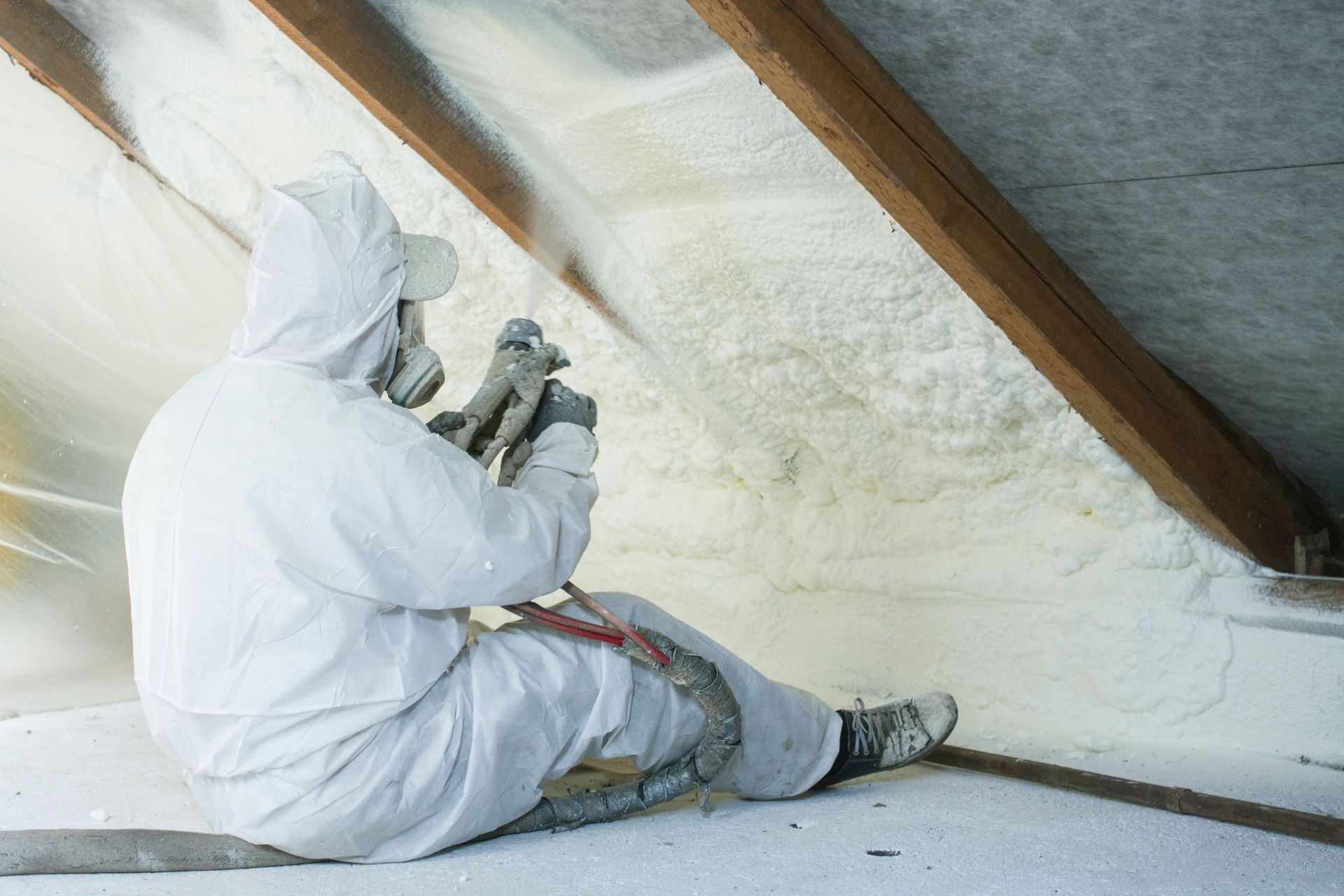
Partnering with trained insulation contractors offers a direct pathway toward resolving internal climate control challenges. These specialists evaluate heat exchange patterns across structural surfaces to identify energy waste.
Investing in professional thermal improvements transforms structural efficiency while reducing recurring energy expenses. Proper thermal barriers ensure conditioned air stays inside while unwanted outdoor temperatures remain outside.
Enhancing thermal efficiency protects indoor environments while reducing overall power grid demands. Every structural adjustment contributes toward sustained financial savings and improved building durability.
Evaluating Home Thermal Performance
A thorough assessment of structural envelope integrity represents the primary step toward reducing monthly utility expenses. Qualified professionals analyze how thermal energy moves through roofs, exterior walls, and crawlspaces.
According to IBISWorld, there are currently over 28,814 active insulation trade businesses nationwide providing these vital services.
Experienced insulation contractors conduct comprehensive site assessments using advanced diagnostic tools. Thermal imaging cameras reveal hidden voids where heat escapes or penetrates through uninsulated framing members.
Identifying thermal anomalies allows property owners to prioritize upgrades that deliver maximum financial returns. Precision diagnostics ensure resources are directed toward vulnerable architectural areas requiring immediate remediation.
Comprehensive energy evaluations uncover subtle structural gaps that standard physical inspections routinely miss. Addressing these critical vulnerabilities establishes a solid foundation for long-term power savings.
Detailed evaluation reports outline specific thermal deficiencies throughout attic spaces, wall cavities, and subfloor assemblies. Having clear data helps owners make informed decisions regarding material selection and scope.
Eliminating Unwanted Air Leaks
Uncontrolled air movement represents a primary contributor to high monthly utility expenses in residential structures. Conditioned indoor air frequently escapes through unseen openings, forcing mechanical equipment to run constantly.
Seasoned insulation contractors identify subtle air pathways around recessed lighting, electrical outlets, and plumbing penetrations.
Combining structural air sealing with modern insulating materials creates a continuous environmental barrier. This comprehensive approach halts draft creation and prevents outdoor air infiltration across living spaces.
Targeting key structural zones yields immediate improvements in overall indoor climate consistency:
- Attic floor penetrations near chimney chases and ceiling fixtures
- Exterior wall electrical junction boxes and window frames
- Rim joists and foundation sill plates along lower building levels
Eliminating drafts ensures stable internal temperatures throughout seasonal changes without increasing thermostat settings. Property owners enjoy enhanced interior comfort while watching monthly power charges decline significantly.
Proper air sealing also reduces dust penetration and outside pollen infiltration throughout living areas. Indoor air quality improves while monthly expenditure on energy declines noticeably.
Upgrading Existing Attic Materials
Attics frequently account for a major portion of structural energy loss in structures of various ages. Solar heat accumulation in overhead spaces pushes thermal energy downward into living quarters during warm seasons.
In colder months, indoor warmth naturally rises and escapes through under-insulated overhead structures. Certified insulation contractors recommend modern thermal barriers that block this continuous thermal transfer effectively.
Replacing degraded or compacted ceiling insulation restores optimal thermal resistance across upper structural boundaries. Modern material formulations resist settling over time, providing lasting performance for decades.
Sufficient overhead protection keeps solar radiation from heating ceiling drywall during intense summer afternoons. Consequently, interior spaces remain noticeably cooler without requiring excessive mechanical cooling efforts.
Investing in attic envelope upgrades delivers substantial reductions in monthly fuel and electricity consumption. Proper overhead protection represents a highly effective efficiency enhancement available to property owners.
Properly insulated attic spaces also protect roofing structures from thermal shock and excessive heat buildup. Extending roof longevity adds another layer of financial value to overhead thermal modernizations.
Lowering Strain on Climate Control Systems
Heating and cooling equipment operates most efficiently when structures maintain stable interior thermal boundaries. Deficient insulation causes climate control equipment to cycle on and off far too frequently.
Working with skilled insulation contractors helps equalize household temperatures, reducing mechanical workload. When thermal transfer slows down, climate control systems operate shorter cycles to maintain targeted temperatures.
Reduced mechanical stress extends the operating lifespan of expensive heating furnaces and cooling compressors. Homeowners save substantial capital by delaying costly equipment replacements and reducing routine repair needs.
Lower operating hours translate directly into reduced electrical utility usage during peak cooling and heating seasons. Lower energy consumption helps shield household budgets from fluctuating local utility rate increases.
Protecting heating and cooling equipment through structural efficiency creates compounding financial advantages year after year. Smooth mechanical operation reduces utility demands while preserving expensive indoor comfort equipment.
System maintenance requirements decrease significantly when heating and cooling machinery operates under reduced load conditions. Lower strain means fewer emergency service calls and lower annual system upkeep expenses.
Preventing Moisture Accumulation Issues
Moisture intrusion undermines thermal performance while creating conditions that damage structural building components over time. Damp insulating materials lose their capability to resist heat flow, driving energy costs higher.
Knowledgeable insulation contractors install protective barriers that manage vapor movement effectively. Proper vapor retarders prevent humid air from condensing inside wall cavities or attic framing spaces.
Managing humidity levels safeguards indoor environmental quality while protecting structural framing elements. Dry materials maintain consistent thermal resistance values regardless of outdoor relative humidity fluctuations.
Vapor management strategies deliver critical benefits across diverse climate conditions throughout the year:
- Preventing attic condensation during cold winter heating seasons
- Blocking ambient humidity intrusion during muggy summer weather
- Preserving structural wood framing against moisture decay and fungal growth
Protecting insulation integrity from moisture ensures long-term thermal efficiency and prevents costly structural repairs. A dry structural envelope keeps energy performance high and utility bills consistently manageable.
Effective moisture control also prevents structural wood rot that leads to expensive architectural restorations. Protecting building components saves thousands in potential structural repair expenses over time.
Maximizing Overall Property Energy Efficiency
Achieving peak energy performance requires an integrated approach to thermal envelope design and installation details. Fragmented or incomplete updates often leave critical thermal bridges unaddressed across structural assemblies.
Qualified insulation contractors ensure every corner, cavity, and joist bay receives proper coverage. Meticulous execution eliminates thermal gaps that allow heat exchange around structural studs and plates.
Comprehensive thermal envelope modernizations elevate overall building performance while enhancing long-term property resale values. Prospective buyers increasingly prioritize energy-efficient properties with verified low utility operating costs.
Sustained energy efficiency provides lasting peace of mind against rising energy prices and extreme climate patterns. Properly installed material barriers continue performing reliably without requiring daily maintenance or operational adjustments.
Transforming a structure into a high-performance building yields immediate financial relief on monthly utility bills. Thoughtful thermal investments pay continuous dividends through enhanced comfort and lower living costs.
Complete building envelope efficiency reduces carbon footprints while promoting sustainable community resource management. Sustainable choices deliver personal financial relief alongside broader environmental advantages.
Taking proactive steps to upgrade structural thermal resistance remains a smart financial move for every property owner. Decisive improvements to wall, floor, and attic envelopes deliver permanent reductions in monthly energy bills while elevating year-round interior comfort. Partnering with local insulation contractors offers immediate relief from escalating utility costs and guarantees professional installation standards.
Ready to transform your property into an energy-efficient haven while cutting monthly expenses? Contact Spray Foam Insulation of North Carolina today to schedule a comprehensive evaluation and start saving on utility bills immediately.